Food packaging plays a critical role in the modern food supply chain. Beyond containment, it is responsible for protecting products, extending shelf life, ensuring regulatory compliance, enabling efficient logistics, and communicating brand value. For manufacturers, processors, and food brands, food packaging is not just a necessity—it is a strategic business decision.
As consumer expectations rise and regulations tighten, businesses must adopt smarter, safer, and more sustainable package solutions. This guide provides a comprehensive overview of what food packaging is, the types and materials used, and how B2B decision-makers can choose the right solutions for their products and markets.
What Is Food Packaging?
Food packaging refers to materials and systems used to enclose food products to protect them from contamination, damage, and spoilage during storage, transportation, and sale. Effective food packaging maintains product quality, preserves freshness, and ensures food safety throughout the supply chain.
From a B2B perspective, food packaging must also support:
- High-speed manufacturing
- Regulatory compliance
- Cost efficiency
- Sustainability targets
- Brand differentiation
Well-designed package solutions balance all these requirements while remaining scalable and commercially viable.
Why Food Packaging Is Critical for Businesses
Food packaging serves multiple essential functions:
1. Product Protection
Packaging shields food from moisture, oxygen, light, bacteria, and physical damage. Without adequate protection, products face reduced shelf life and increased waste.
2. Food Safety and Compliance
Packaging must meet strict food safety regulations, ensuring materials are food-grade and non-reactive. Compliance failures can result in recalls, fines, and reputational damage.
3. Shelf Life Extension
Advanced food packaging materials help preserve freshness through barrier properties, modified atmosphere packaging (MAP), or vacuum sealing.
4. Logistics and Supply Chain Efficiency
Robust package solutions enable efficient stacking, transportation, and storage, reducing breakage and distribution costs.
5. Brand Communication
Packaging is a primary brand touchpoint, conveying quality, trust, and positioning to both retailers and end consumers.
Types of Food Packaging
Understanding packaging formats is essential when selecting the right solution for different food categories.
1. Primary Food Packaging
Primary packaging comes into direct contact with food and is critical for safety and preservation.
Examples:
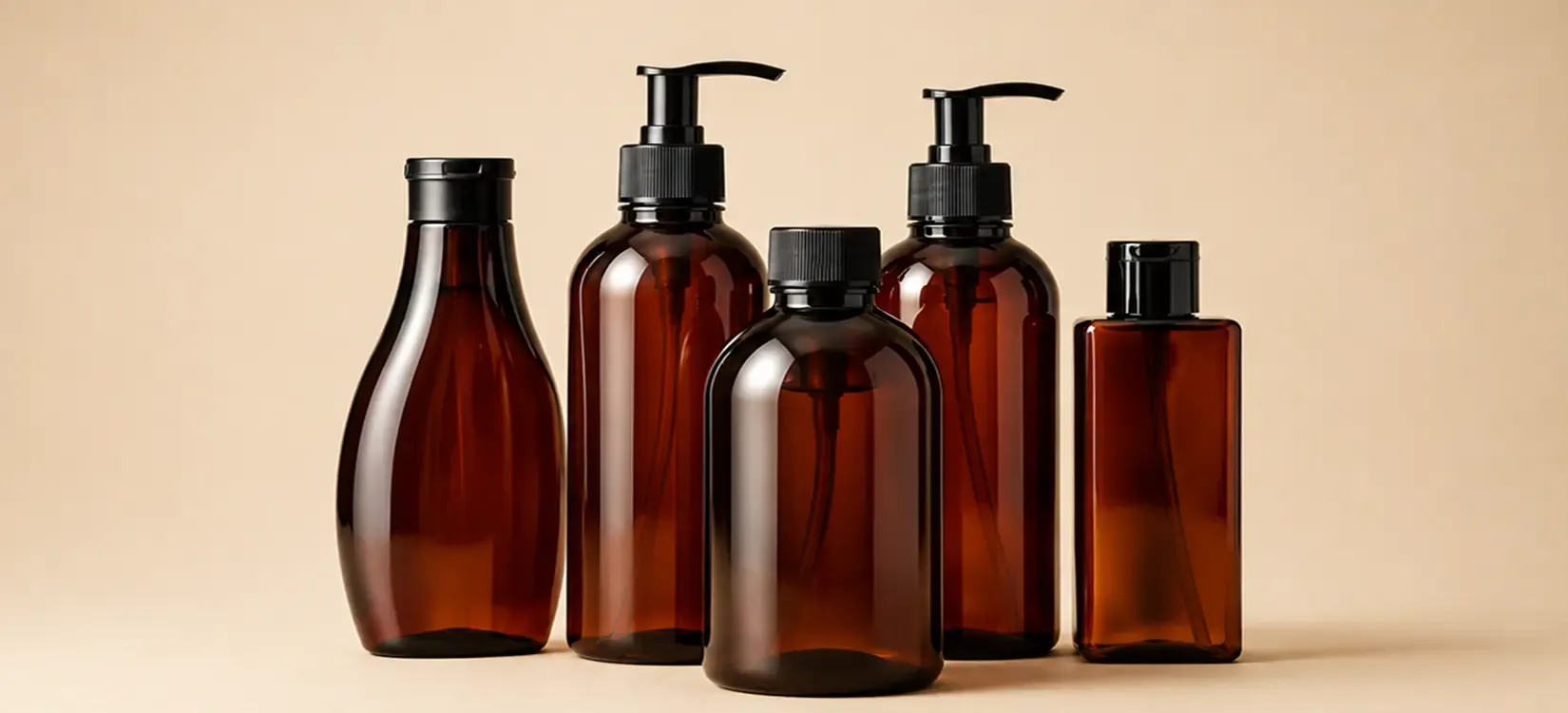
- Plastic bottles and containers
- Glass jars
- Flexible pouches
- Metal cans
Primary food packaging must meet the highest safety and hygiene standards.
2. Secondary Food Packaging
Secondary packaging groups primary packages together for easier handling and branding.
Examples:
- Cartons
- Shrink wraps
- Trays
- Multipacks
This layer supports logistics, retail presentation, and product protection during transit.
3. Tertiary Food Packaging
Tertiary packaging is used for bulk handling and transportation.
Examples:
- Pallets
- Stretch wraps
- Shipping crates
While not consumer-facing, tertiary package solutions are critical for supply chain efficiency.
Common Food Packaging Materials and Their Applications
Choosing the right material is one of the most important decisions in food packaging.
1. Plastic Packaging
Plastic remains one of the most widely used materials in food packaging due to its versatility and performance.
Common plastics include:
- PET (Polyethylene Terephthalate): Used for beverages, sauces, and oils
- HDPE (High-Density Polyethylene): Used for milk, juices, and food-grade containers
- PP (Polypropylene): Used for tubs, caps, and microwave-safe packaging
Benefits:
- Lightweight
- Cost-effective
- Excellent barrier properties
- Suitable for high-volume production
2. Glass Packaging
Glass is often associated with premium or sensitive food products.
Applications:
- Sauces and condiments
- Baby food
- Preserves and jams
Benefits:
- Non-reactive and inert
- High barrier to oxygen and moisture
- Fully recyclable
However, glass is heavier and more fragile, which impacts logistics costs.
3. Metal Packaging
Metal packaging is commonly used for long shelf-life food products.
Applications:
- Canned vegetables and fruits
- Ready meals
- Processed meats
Benefits:
- Excellent barrier protection
- Long-term preservation
- High durability
Metal package solutions are ideal for ambient storage but require higher energy input during production.
4. Paper and Paperboard Packaging
Paper-based food packaging is often used for dry or short-shelf-life products.
Applications:
- Bakery items
- Cereals and dry foods
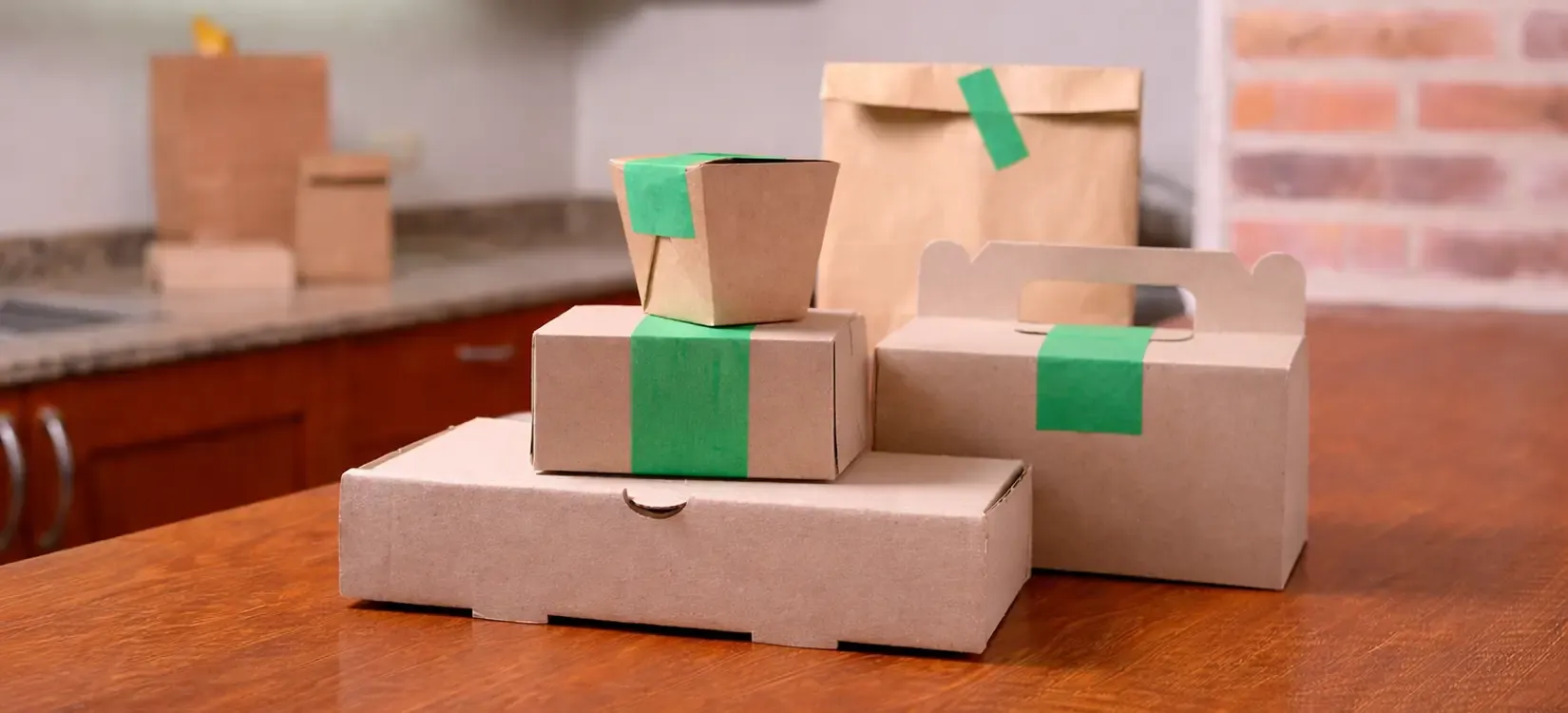
- Quick-service and takeaway packaging
Benefits:
- Renewable material
- Lightweight
- Strong branding surface
Barrier coatings are often required to protect against moisture and grease.
5. Flexible Packaging
Flexible food packaging includes pouches, sachets, and films.
Applications:
- Snacks
- Frozen foods
- Ready-to-eat meals
Benefits:
- Reduced material usage
- Lower transportation costs
- Extended shelf life with barrier layers
Flexible package solutions are growing rapidly due to efficiency and sustainability advantages.
Sustainability in Food Packaging
Sustainability is now a core requirement for food packaging strategies.
Businesses are increasingly adopting:
- Recyclable and mono-material packaging
- Recycled content (rPET, PCR plastics)
- Lightweight designs
- Reusable and refillable systems
Sustainable package solutions help brands comply with environmental regulations and meet retailer and consumer expectations.
How to Choose the Right Food Packaging Solution
When selecting food packaging, B2B decision-makers should consider:
1. Product Characteristics
Shelf life, moisture sensitivity, temperature requirements, and contamination risk all influence material choice.
2. Regulatory Compliance
Packaging must meet food contact regulations and labelling standards in target markets.
3. Production and Filling Compatibility
Packaging must work seamlessly with existing manufacturing lines.
4. Supply Chain Requirements
Durability, stacking efficiency, and transport conditions must be considered.
5. Sustainability Goals
Packaging should align with corporate ESG and environmental commitments.
How Casepak Supports Food Packaging Needs
At Casepak, we provide tailored food packaging and package solutions designed to meet the demands of modern food manufacturers. Our expertise covers material selection, performance optimisation, and scalable supply, helping brands deliver safe, compliant, and commercially effective packaging.
We work closely with partners to ensure packaging supports both operational efficiency and long-term growth.
Frequently Asked Questions (FAQs)
1. What is food packaging used for?
Food packaging protects food from contamination, extends shelf life, ensures safety, and supports transportation and branding.
2. What materials are commonly used in food packaging?
Common materials include plastics (PET, HDPE, PP), glass, metal, paper, and flexible films, depending on application and shelf-life needs.
3. Is plastic food packaging safe?
Yes, when manufactured to food-grade standards and used appropriately, plastic food packaging is safe and widely approved.
4. What are sustainable food packaging options?
Recyclable materials, recycled content packaging, lightweight designs, and mono-material solutions are among the most sustainable options.
5. How do I choose the right package solutions for my food product?
Consider product requirements, regulations, production compatibility, logistics, and sustainability goals. Working with an experienced packaging partner simplifies the process.
Conclusion
Food packaging is a vital component of the food supply chain, influencing safety, quality, efficiency, and brand perception. For B2B businesses, selecting the right materials and package solutions is essential to meeting regulatory demands while remaining competitive and sustainable.