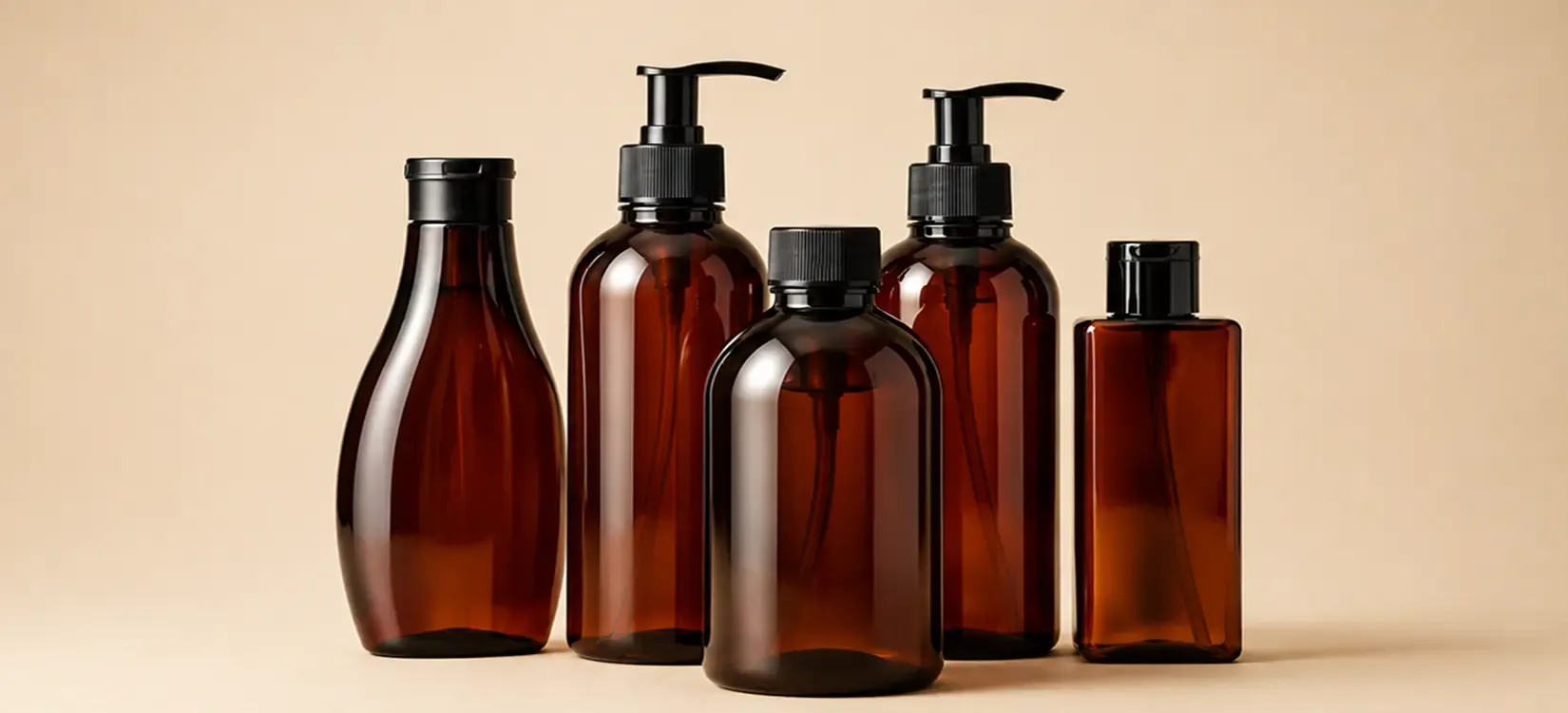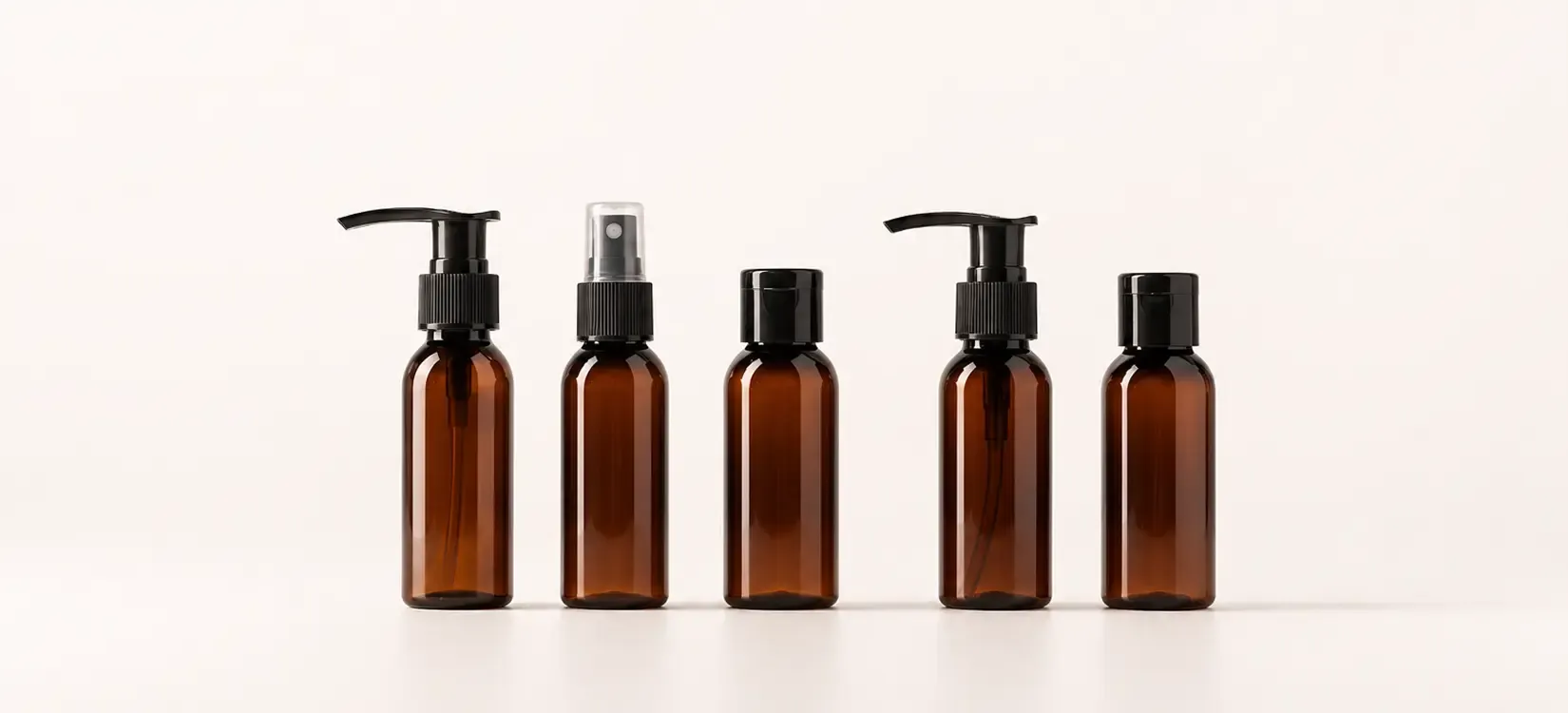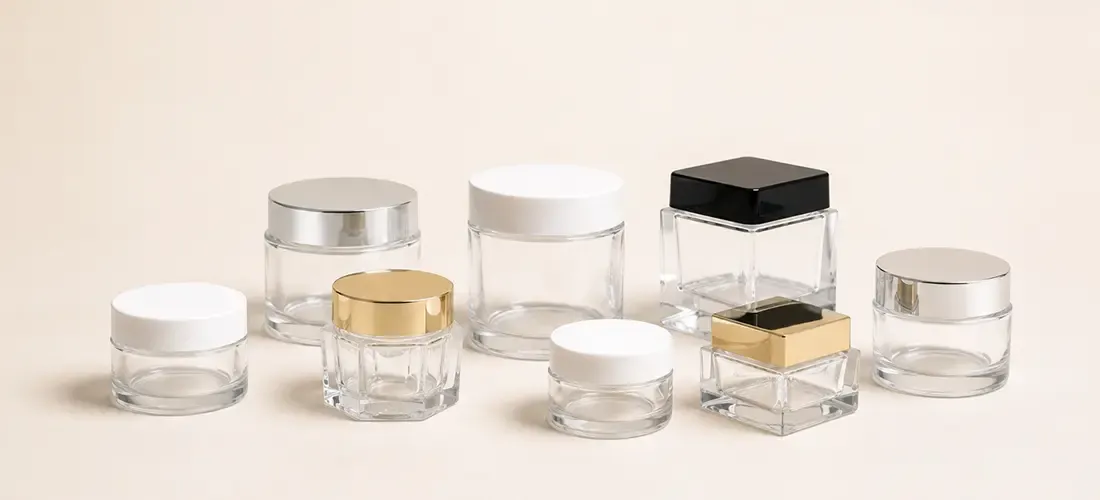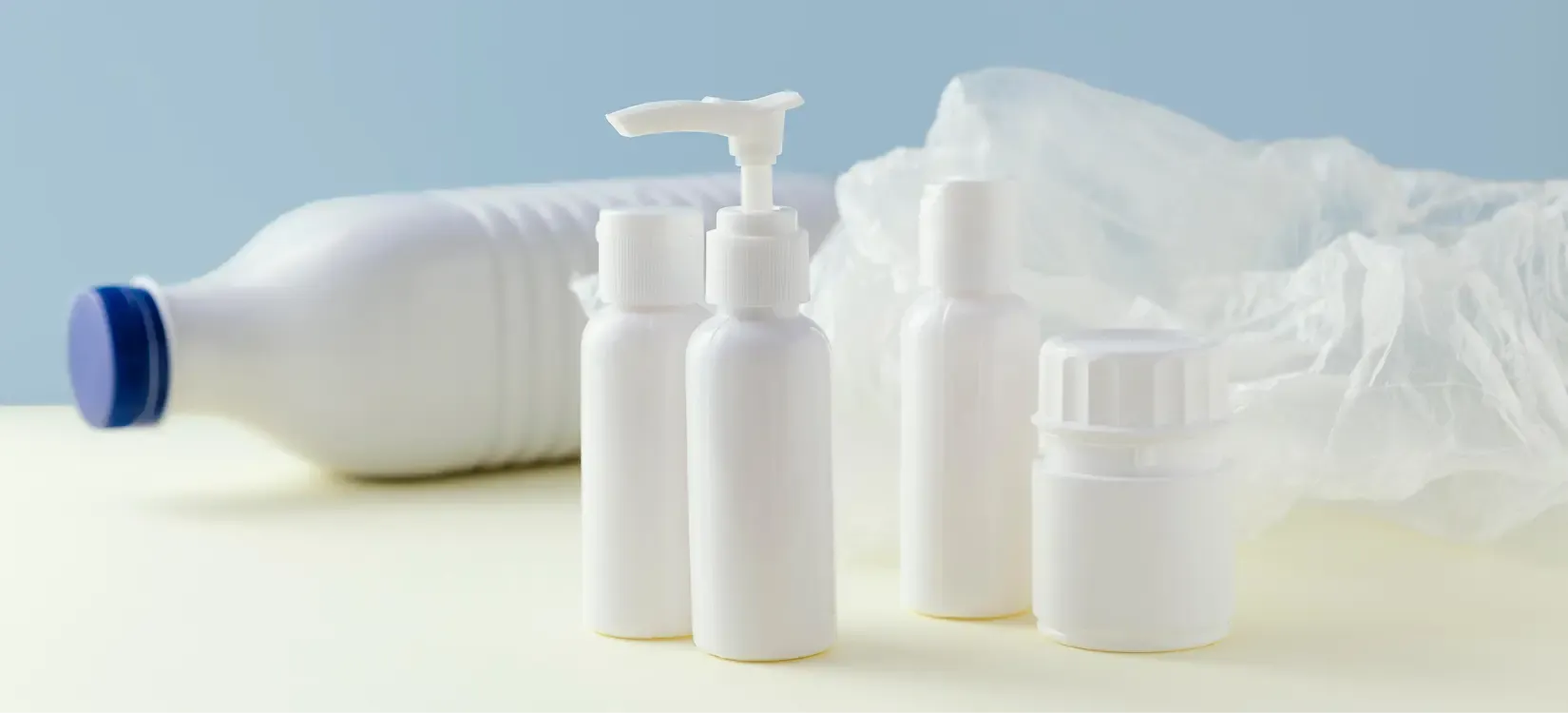
In competitive consumer markets, packaging is no longer simply a protective container—it is a strategic brand asset. For manufacturers and product companies, the design of a bottle can influence product perception, operational efficiency, supply chain performance, and ultimately purchasing decisions. This is why many businesses are moving toward custom bottle packaging rather than relying on standard packaging formats.
Developing custom plastic bottles allows brands to differentiate products, improve usability, and align packaging with long-term growth strategies. However, creating custom packaging requires careful planning, technical expertise, and collaboration with experienced packaging partners.
This guide explains the process of designing custom plastic bottles, the key considerations involved, and how businesses can successfully implement a custom bottle packaging strategy.
Why Custom Bottle Packaging Matters for Modern Brands
Standard packaging may work for early-stage products, but as companies scale, packaging often becomes a critical differentiator. Custom bottle packaging offers several advantages for B2B businesses:
1. Stronger Brand Identity
A unique bottle shape can instantly distinguish a product on retail shelves. Custom plastic bottles allow companies to build recognisable visual identities that reinforce brand consistency across product lines.
2. Improved User Experience
Custom packaging allows businesses to design bottles that improve ergonomics, dispensing control, and convenience for the end user.
3. Optimised Manufacturing
When designed correctly, custom bottle packaging can integrate seamlessly with filling lines, reducing production inefficiencies and downtime.
4. Competitive Differentiation
In saturated markets such as personal care, food products, and household chemicals, packaging can become a key factor in consumer choice.
Step 1: Define the Objectives of Your Custom Bottle Packaging
Before developing custom plastic bottles, businesses must clearly define the goals of their packaging strategy.
Important questions to consider include:
- What brand message should the bottle communicate?
- Will the product be sold in retail, e-commerce, or both?
- What dispensing functionality is required?
- What shelf life and barrier properties are needed?
By defining these objectives early, companies can ensure their custom bottle packaging aligns with both branding and operational requirements.
Step 2: Select the Right Plastic Material
Material selection is one of the most critical decisions when developing custom plastic bottles. Different plastics provide different levels of strength, clarity, chemical resistance, and sustainability.
Common Materials Used in Custom Plastic Bottles
PET (Polyethylene Terephthalate)
- High clarity and transparency
- Lightweight and strong
- Widely used in beverages and personal care
HDPE (High-Density Polyethylene)
- Excellent chemical resistance
- Durable and impact-resistant
- Common for household cleaners and pharmaceuticals
PP (Polypropylene)
- Good heat resistance
- Flexible and durable
- Often used for caps and closures
Choosing the right material ensures the packaging protects the product while maintaining durability across the supply chain.
Step 3: Develop the Bottle Design
Once the material is selected, the design process begins. This is where custom bottle packaging evolves from concept to tangible product.
Key design considerations include:
- Bottle Shape and Structure
The bottle should be visually distinctive while maintaining structural integrity for transport and storage.
- Ergonomics
A well-designed bottle should feel comfortable in the hand and be easy to use.
- Labeling Surface
Adequate space must be available for labels, branding elements, and regulatory information.
- Closure Compatibility
Custom plastic bottles must work with the chosen closure system, such as pumps, sprays, droppers, or screw caps.
3D modelling and digital prototypes are often used during this stage to visualise the final product.
Step 4: Prototype and Test the Bottle
Prototyping is an essential step in custom bottle packaging development. Before moving to mass production, businesses should test the bottle to ensure it performs effectively.
Testing typically includes:
- Drop testing to evaluate durability
- Leak testing for closure compatibility
- Material compatibility testing with the product formulation
- Production line testing to confirm filling efficiency
Prototypes allow companies to refine the design before investing in manufacturing tools.
Step 5: Develop the Mould and Begin Production
Custom plastic bottles are typically produced through blow moulding, a manufacturing process that shapes plastic into hollow containers.
The most common methods include:
Injection Blow Moulding
Used for smaller, high-precision bottles such as pharmaceutical containers.
Extrusion Blow Moulding
Ideal for larger bottles and containers used in industrial and household products.
Injection Stretch Blow Moulding
Commonly used for PET beverage bottles.
The creation of moulds is one of the most significant investments in custom bottle packaging, but it allows businesses to produce consistent bottles at scale.
Step 6: Consider Sustainability in Custom Bottle Packaging
Sustainability is increasingly influencing packaging decisions across industries. When designing custom plastic bottles, companies should consider environmental impact.
Strategies include:
- Using recyclable plastics such as PET or HDPE
- Incorporating post-consumer recycled (PCR) materials
- Reducing material usage through lightweight design
- Designing bottles compatible with recycling systems
Sustainable custom bottle packaging not only reduces environmental impact but also strengthens brand credibility with consumers and retailers.
Step 7: Ensure Supply Chain Scalability
As businesses grow, packaging demand increases. Custom plastic bottles must be designed with scalability in mind.
Important considerations include:
- Consistent manufacturing capacity
- Reliable supply of raw materials
- Compatibility with automated filling lines
- Efficient transportation and storage
Working with experienced packaging partners ensures long-term stability and supply chain reliability.
How Casepak Supports Custom Bottle Packaging Development
At Casepak, we understand that developing custom bottle packaging requires a balance between creativity, functionality, and operational efficiency. Our expertise in packaging design and manufacturing allows us to support businesses throughout the entire process.
From material selection and bottle design to prototyping and production, we help brands create **custom plastic bottles **that meet performance requirements while supporting long-term growth strategies.
Our goal is to deliver packaging solutions that combine innovation, reliability, and sustainability.
Conclusion
Custom packaging has become a powerful tool for businesses seeking to differentiate their products and strengthen brand presence. By investing in custom bottle packaging, companies can create distinctive containers that improve product protection, enhance user experience, and support efficient manufacturing.
Developing custom plastic bottles requires careful planning, from defining packaging objectives to selecting materials and designing scalable production processes. When executed effectively, custom packaging becomes more than just a container—it becomes a strategic asset that supports long-term business growth.
With the right expertise and packaging partner, businesses can transform their packaging strategy and build products that stand out in competitive markets.
Frequently Asked Questions (FAQs)
1. What are custom plastic bottles?
Custom plastic bottles are specially designed containers created to match a brand’s unique packaging requirements, including shape, size, material, and dispensing functionality.
2. Why should businesses invest in custom bottle packaging?
Custom bottle packaging helps brands differentiate their products, improve usability, and create stronger visual identities in competitive markets.
3. What materials are commonly used for custom plastic bottles?
The most common materials include PET, HDPE, and polypropylene, each offering different advantages depending on product requirements.
4. How long does it take to develop custom plastic bottles?
The process typically includes design, prototyping, testing, and mould development, which can take several weeks to several months depending on complexity.
5. Are custom plastic bottles sustainable?
Yes. Many custom bottle packaging solutions use recyclable plastics and incorporate recycled materials to support sustainability goals.