Cosmetic packaging does more than make a beauty product look attractive. It protects the formulation, supports convenient dispensing, maintains product quality and communicates brand identity. For businesses developing skincare, haircare and makeup products, choosing the right packaging is essential for balancing functionality, product compatibility and commercial requirements.
From bottles and jars to pumps and sprayers, cosmetic packaging comes in different formats to suit specific formulations. The right makeup packaging or skincare container should be selected based on the product's characteristics, intended use, branding and production requirements.
What Is Cosmetic Packaging?
Cosmetic packaging includes the containers and components used to store, protect, dispense and present beauty products. It generally consists of primary packaging, which directly holds the product, and secondary packaging, which provides additional protection, information or branding.
Effective packaging should offer:
- Product protection: Help prevent leakage and unwanted exposure.
- Compatibility: Work appropriately with the formulation.
- Functionality: Support convenient dispensing and storage.
- Brand presentation: Reflect the product's positioning.
- Operational efficiency: Suit filling, handling and distribution requirements.
Primary Cosmetic Packaging
Primary packaging directly contains or dispenses the formulation. Common examples include bottles, jars, tubes, pumps, sprayers and closures. The selection depends on product viscosity, dispensing requirements and compatibility.
Secondary Cosmetic Packaging
Secondary packaging includes cartons, boxes, sleeves and inserts. These components can support branding, display product information and provide additional protection during storage and transportation.
Types of Cosmetic Packaging
Different packaging formats serve different applications. Selecting the right one requires considering the formulation, dispensing method and expected product performance.
Cosmetic Bottles
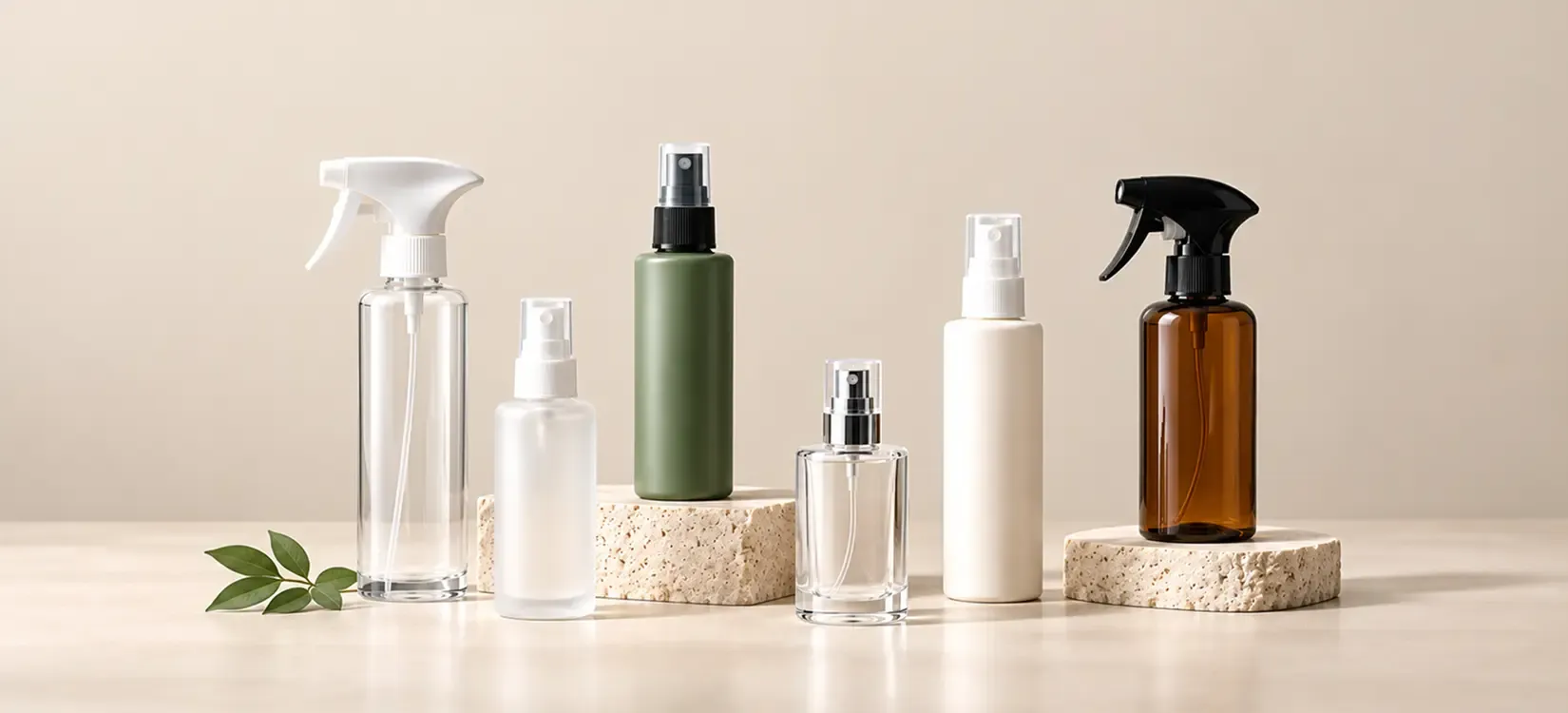
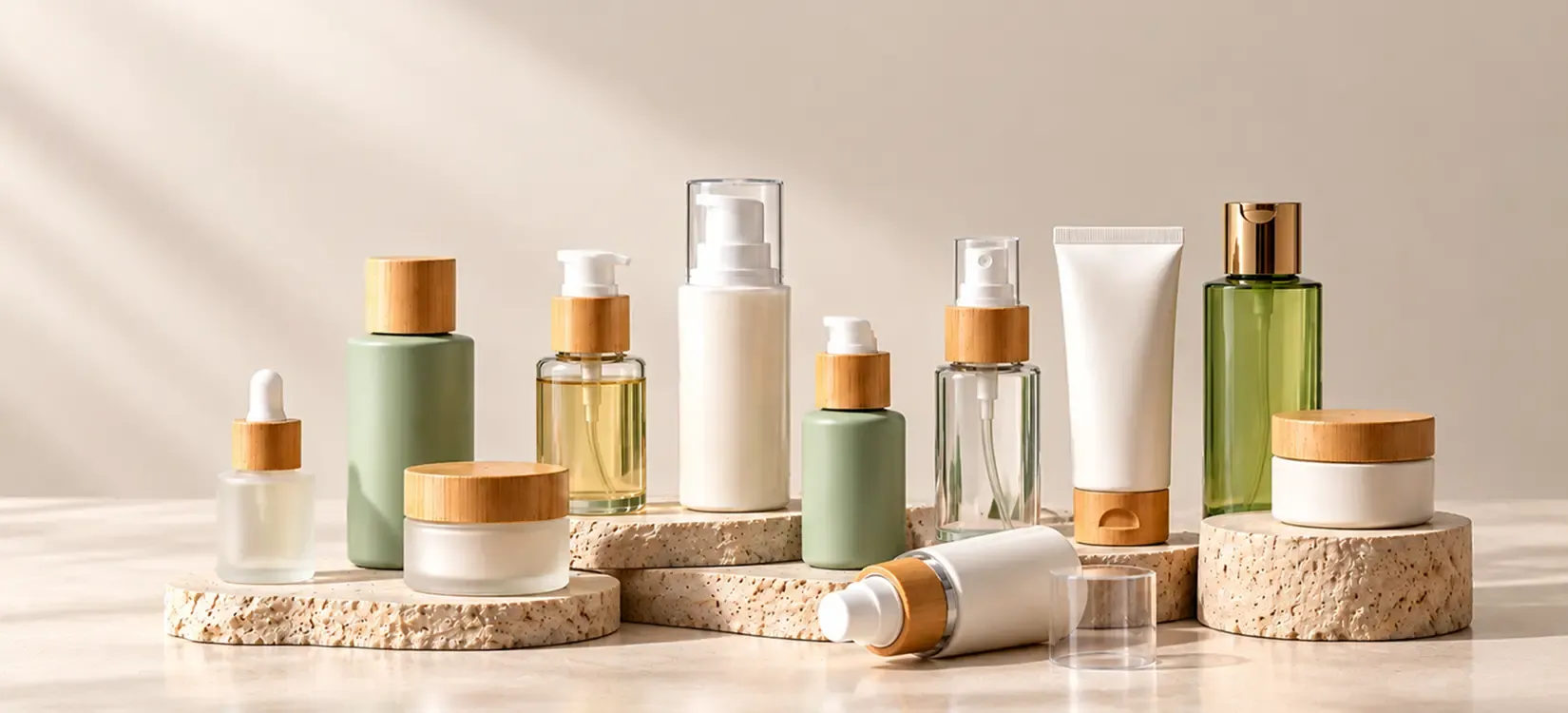
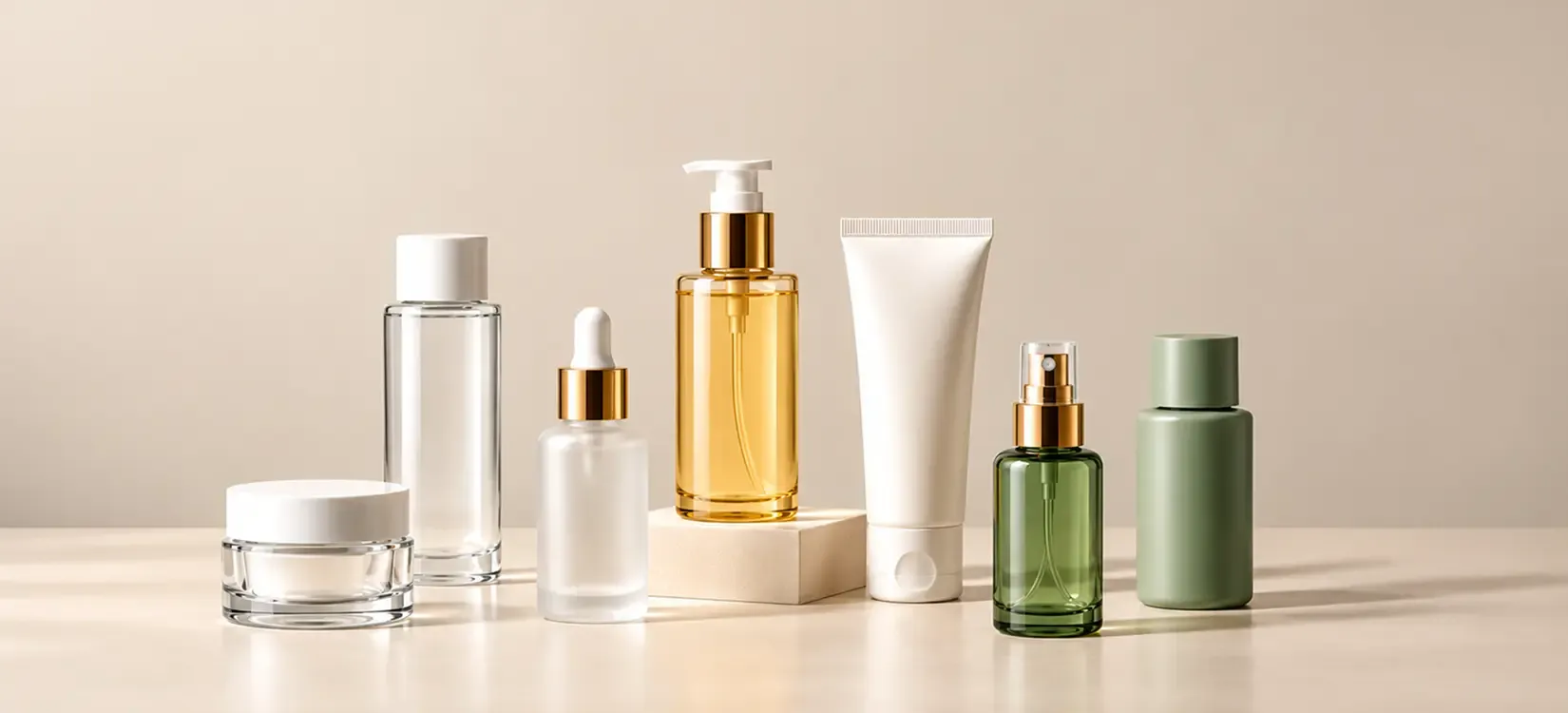
Cosmetic bottles are widely used for serums, lotions, toners, cleansers, shampoos and other liquid formulations. Available in different materials and sizes, they can be paired with screw caps, pumps, droppers or other dispensing components.
The ideal combination depends on viscosity, product compatibility and the required dispensing experience.
Explore CasePak's bottle packaging options.
Cosmetic Jars
Cosmetic jars are suitable for face creams, moisturisers, balms, masks and hair treatments. Their wide openings make thicker formulations easier to access, while different closure options support product storage and presentation.
For formulations sensitive to repeated contact, brands should also evaluate whether a jar is the most appropriate format.
Explore CasePak's packaging range.
Cosmetic Pumps
Pumps support controlled dispensing and are commonly used for lotions, creams, cleansers and other personal care formulations.
Pump selection should account for product viscosity, output per actuation, container compatibility and filling requirements. A pump suitable for a lightweight lotion may not work effectively with a thicker cream.
Cosmetic Sprayers
Sprayers are used for facial mists, toners, fragrance products and selected haircare formulations. Fine-mist sprayers suit compatible liquid formulations, while other products may require different dispensing mechanisms.
The spray pattern, output and formulation compatibility should be evaluated before selecting a component.
Cosmetic Closures and Caps
Caps and closures help secure the container, reduce leakage and improve usability. Options include screw caps, flip-top caps and dispensing closures.
The closure must match the container's dimensions and provide suitable sealing performance. Compatibility and leak testing are important before commercial production.
Makeup Packaging vs Cosmetic Packaging: What's the Difference?
Makeup packaging is a specialised category within the broader cosmetic packaging market. While both serve to protect and present beauty products, makeup formats often require specific dispensing and application features.
Common Makeup Packaging Types
- Foundation: Bottles with pumps or other controlled dispensing systems.
- Concealer: Containers with applicators or compact dispensing formats.
- Lip products: Specialised containers and applicators for glosses and liquid lip colours.
- Cream blush: Jars, tubes or compact containers, depending on the formulation.
- Powders: Compacts or rigid containers designed to reduce spillage and product damage.
- Makeup removers: Bottles with suitable caps, pumps or dispensing closures.
When selecting makeup packaging, brands should consider formulation, viscosity, usage frequency, application method, product protection and branding. The packaging should be tested with the actual product to confirm reliable performance.
Common Materials Used in Cosmetic Packaging
Material selection affects product compatibility, durability, weight, appearance and cost.
Plastic Cosmetic Packaging
Plastic is widely used because it supports a variety of shapes, sizes and dispensing formats.
Common options include:
- PET: Often selected for its clarity and lightweight construction.
- HDPE: Commonly used where durability and chemical resistance are important.
- PP: Frequently used for closures and selected containers.
Plastic packaging also offers various colour and decoration options. However, sustainability depends on factors such as material usage, recycled content, package design and end-of-life infrastructure.
Glass Cosmetic Packaging
Glass offers a premium appearance and is used for selected serums, facial oils, fragrances and skincare products. Its weight and potential to break during handling should be considered when evaluating transportation and distribution.
Compatibility must still be assessed for the specific formulation and closure system.
Metal and Other Materials
Aluminium and other materials are used in selected cosmetic applications, including certain tubes and containers. The choice depends on product requirements, protective properties, manufacturing processes and cost.
How to Choose the Right Cosmetic Packaging Material?
Packaging buyers should evaluate materials against the product's technical and commercial requirements.
| Consideration | Why It Matters |
|---|---|
| Product formulation | Ensures compatibility with ingredients |
| Viscosity | Determines the suitable container and dispenser |
| Product sensitivity | Helps establish protection requirements |
| Usage | Influences the bottle, jar, pump or spray format |
| Brand positioning | Guides material, colour and finish |
| Size and fill volume | Determines dimensions and usability |
| Shipping | Affects weight, durability and leakage risk |
| Customisation | Supports brand identity and product differentiation |
Before finalising a package, brands should test the formulation with the complete container and closure system. Testing should consider leakage, dispensing performance, material compatibility and relevant storage conditions.
Custom Cosmetic Packaging Solutions for Beauty Brands
Customisation helps brands align packaging with product specifications, visual identity and production requirements. It can involve the container, closure and dispensing components.
Custom Shapes and Sizes
Different shapes and dimensions can support product differentiation while meeting fill-volume, stability and transportation requirements.
Colours and Finishes
Coloured containers and selected surface finishes can help distinguish product ranges. The options available depend on the material and manufacturing process.
Closures and Dispensing Options
Pumps, sprayers, screw caps and droppers should be selected according to the formulation and dispensing requirements. Components must fit the container and function reliably together.
Printing and Branding
Labels, printing and other decoration options can communicate brand identity and product information. The method should suit the container's material and shape.
Custom packaging should balance design with functionality, compatibility, production feasibility and cost.
How to Choose Cosmetic Packaging for Your Product?
A structured selection process helps reduce packaging mismatches and unnecessary redesigns.
Identify the formulation: Determine whether the product is liquid, cream-based, gel-like, oil-based or powder-based.
- Determine dispensing requirements: Decide whether the product needs pumping, spraying, squeezing, pouring or direct access.
- Select the material: Compare suitable options based on compatibility, weight, durability and cost.
- Choose size and shape: Consider fill volume, handling, storage and transportation.
- Evaluate compatibility: Test the product with the container and dispensing components.
- Plan customisation: Finalise colour, finish, printing and other branding requirements.
- Check production and supply: Confirm filling-line compatibility, availability, minimum order quantities and lead times.
This approach helps brands make informed decisions before committing to commercial production.
Cosmetic Packaging for Different Beauty Products
The following formats are common starting points. Final selection depends on the formulation and intended application.
| Product | Potential Packaging |
|---|---|
| Face serum | Bottle with dropper or pump |
| Moisturiser | Jar or pump bottle |
| Cleanser | Bottle with pump or dispensing cap |
| Facial mist | Bottle with fine-mist sprayer |
| Body lotion | Bottle with lotion pump |
| Haircare products | Bottle with pump or cap |
| Creams and balms | Jar or tube |
| Liquid foundation | Bottle with suitable dispenser |
| Pressed powder | Compact container |
| Makeup remover | Bottle with compatible closure or pump |
No single format is suitable for every product. Compatibility, viscosity, dispensing performance and product protection should guide the final decision.
What Makes Good Cosmetic Packaging?
Good cosmetic packaging combines reliable performance with practical usability and brand presentation.
Key considerations include:
- Compatibility with the formulation
- Appropriate product protection
- Reliable dispensing and closure performance
- Ease of opening, handling and storage
- Suitable material and dimensions
- Consistent component quality
- Brand-appropriate design and customisation
- Reliable supply and production feasibility
A package that looks attractive but leaks or dispenses poorly can create avoidable operational problems. Functional testing is therefore essential before a large production run.
Why Choose CasePak for Cosmetic Packaging?
CasePak offers packaging options across categories such as bottles, jars, pumps and closures for cosmetics, personal care and other industries.
When evaluating a packaging solution, brands should consider the complete system, including container dimensions, closure fit, dispensing performance and material compatibility.
Explore CasePak's packaging solutions or Contact us to discuss your packaging requirements.