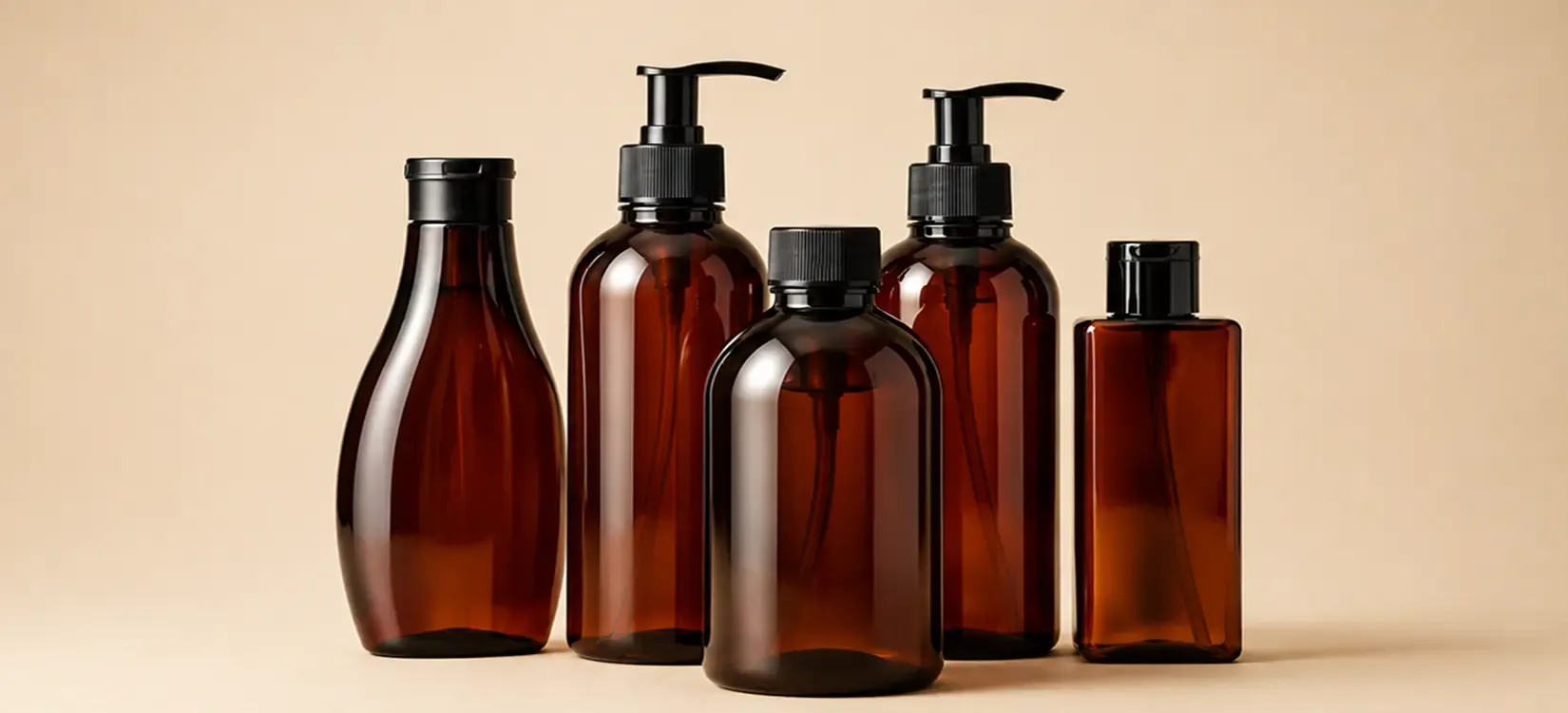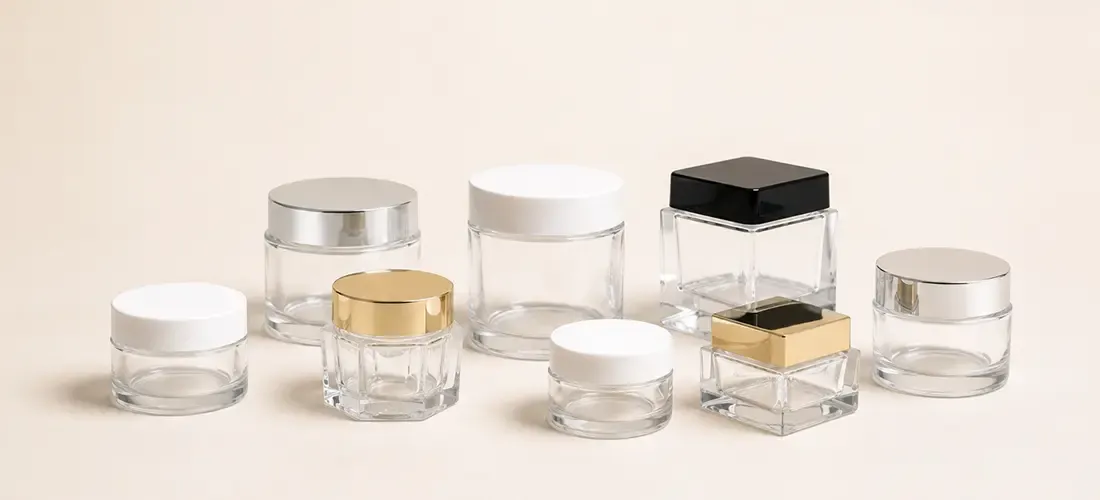
In the personal care industry, packaging decisions extend far beyond the bottle itself. While product formulations and branding often receive the most attention, the closure system plays an equally important role in product performance, user experience, and brand perception.
Whether you're packaging shampoos, lotions, facial cleansers, body washes, or skincare treatments, selecting the right packaging closures can directly impact product usability, dispensing accuracy, shelf life, and consumer satisfaction.
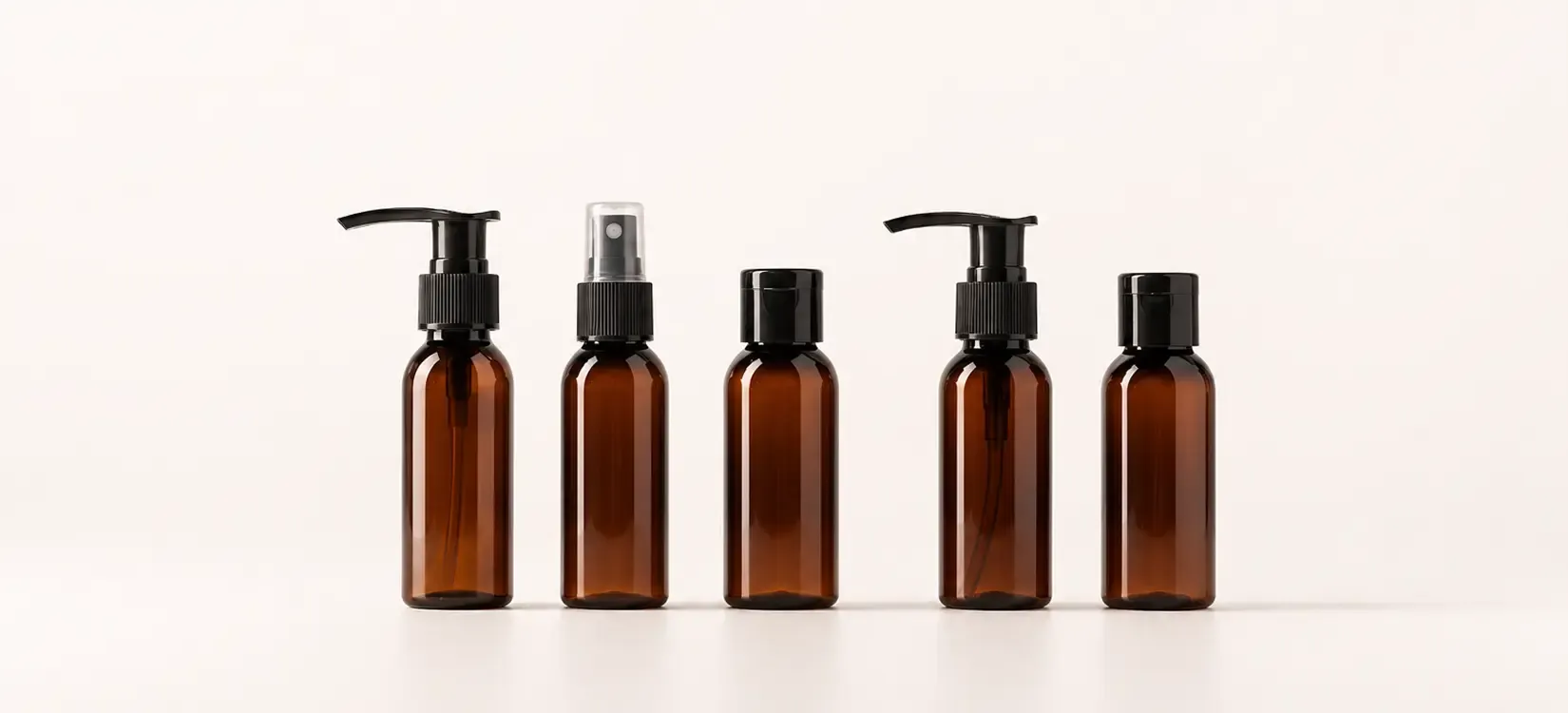
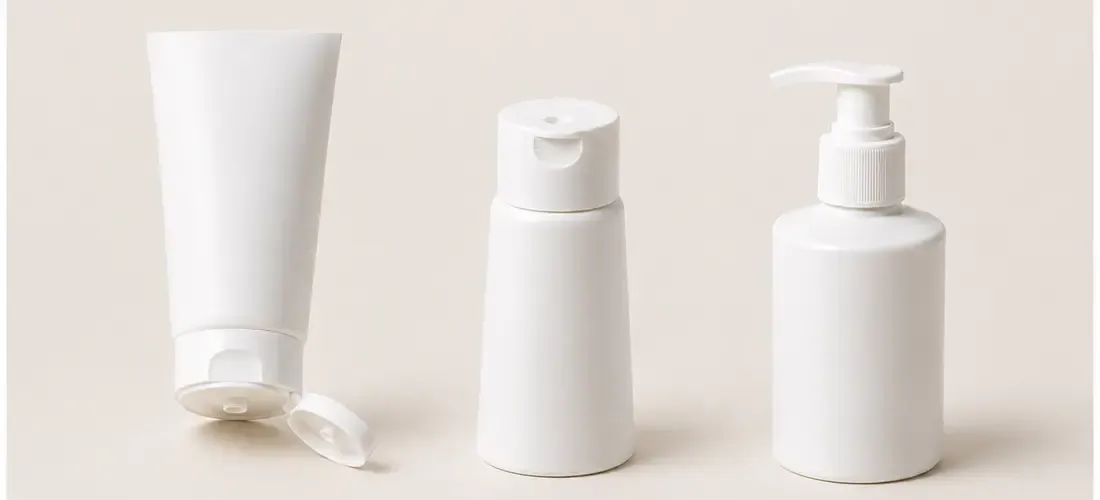
Among the most widely used options are flip-top caps, disc-top caps, and pump dispensers. Each offers unique advantages and is designed to meet specific product and consumer needs. Understanding the strengths of these closure types can help brands make more informed packaging decisions and create a better overall customer experience.
This guide explores the differences between these closure systems and explains how to choose the right cosmetic caps for your personal care products.
Why Packaging Closures Matter More Than Many Brands Realise?
The closure is often the most frequently used part of the package. Consumers interact with it every time they use the product, making it a critical component of the overall product experience.
Well-designed packaging closures help:
- Protect product integrity
- Prevent leaks and contamination
- Improve dispensing control
- Enhance user convenience
- Reduce product waste
- Strengthen brand perception
Poor closure selection can lead to customer frustration, excessive product usage, leakage during transportation, and even product returns.
For personal care brands, choosing the right cosmetic caps is a strategic packaging decision rather than a simple accessory choice.
Understanding the Three Most Popular Closure Types
Before selecting a closure, it's important to understand how each option functions and where it performs best.
Flip-Top Closures
Flip-top closures are among the most common packaging closures used in personal care products.
They feature a hinged lid that opens and closes with a simple flip motion while remaining attached to the bottle.
Advantages of Flip-Top Closures:
- Convenience: Consumers can open flip-top caps with one hand, making them ideal for use in showers or on the go.
- Reduced Cap Loss: Since the lid remains attached to the bottle, there is no risk of misplacing the cap.
- Cost-Effective: Flip-top cosmetic caps are generally economical to manufacture and integrate easily into high-volume production lines.
- Good Product Protection: When properly sealed, flip-top closures provide effective protection against contamination and leakage.
Best Applications for Flip-Top Closures: Shampoos, Conditioners, Body washes, Facial cleansers, Moisturisers, Sunscreens
Potential Limitations:
While flip-top closures offer convenience, they may not provide the same dispensing precision as pumps or specialised applicators.
Disc-Top Closures
Disc-top closures use a press-and-release mechanism. Pressing one side of the cap raises the opposite side, creating an opening for dispensing.
These packaging closures are widely used in both personal care and cosmetic packaging.
Advantages of Disc-Top Closures:
Controlled Dispensing: Disc-top cosmetic caps allow users to dispense moderate amounts of product without excessive squeezing.
- Clean Appearance: The smooth surface creates a sleek, modern look that appeals to many brands.
- Easy Operation: Users can operate disc-top closures with one hand, making them highly convenient.
- Suitable for Various Product Viscosities: Disc-top closures work well with both lightweight and moderately thick formulations.
Best Applications for Disc-Top Closures: Lotions, Hand creams, Hair serums, Liquid soaps, Body oils, Facial toners
Potential Limitations: Disc-top closures may not be ideal for very thick formulations or products requiring highly precise dosage control.
Pump Closures
Pump dispensers are often associated with premium personal care and skincare products. They use a mechanical pump mechanism to deliver controlled amounts of product with each press.
Advantages of Pump Closures:
- Precise Dispensing: Pump systems provide consistent dosage, reducing waste and improving user experience.
- Enhanced Hygiene: Consumers do not need to touch the product directly, reducing contamination risks.
- Premium Consumer Perception: Pump dispensers often create a more sophisticated and high-value appearance.
- Ideal for Frequent Use: Pump closures improve convenience for products used daily.
Best Applications for Pump Closures: Liquid hand soaps, Body lotions, Facial cleansers, Skincare serums, Hair treatments, Hand sanitisers
Potential Limitations: Pump systems typically cost more than flip-top or disc-top cosmetic caps and may involve more complex manufacturing requirements.
Sustainability Considerations for Packaging Closures
As sustainability becomes increasingly important, brands are evaluating the environmental impact of their packaging closures.
Popular sustainability initiatives include:
- Mono-Material Packaging: Using closures made from the same material as the bottle improves recyclability.
- Lightweight Designs: Reducing material use lowers transportation emissions and material consumption.
- Recyclable Cosmetic Caps: Many manufacturers now offer fully recyclable closure systems.
- PCR Materials: Post-consumer recycled plastics are increasingly incorporated into packaging closures.
Brands that align closure design with sustainability goals can strengthen both environmental performance and market appeal.
How to Choose the Right Closure for Your Product?
When selecting packaging closures, consider the following:
Product Type: Different formulations require different dispensing systems.
Consumer Usage: How often will the product be used? Will it be used in wet environments such as bathrooms?
Brand Positioning: Premium brands may benefit from pump systems, while mass-market products may prioritise simplicity and cost efficiency.
Manufacturing Compatibility: Ensure the chosen closure integrates smoothly with existing filling and capping equipment.
Sustainability Objectives: Select closure systems that support recyclability and environmental goals.
How Casepak Supports Closure Selection?
At Casepak, we understand that choosing the right packaging closures is essential for product performance, customer satisfaction, and brand success.
We help brands identify closure systems that align with:
- Product formulation requirements
- Production processes
- Consumer expectations
- Sustainability goals
- Brand positioning strategies
Our expertise in cosmetic caps and packaging solutions enables businesses to develop packaging that performs consistently throughout the product lifecycle.
Frequently Asked Questions (FAQs)
1. What are packaging closures?
Packaging closures are components used to seal and dispense products from containers. Common examples include flip-top caps, disc-top caps, pumps, and screw caps.
2. Which closure is best for personal care products?
The best closure depends on the product formulation. Pumps are ideal for lotions and cleansers, while flip-top and disc-top closures work well for shampoos, conditioners, and body care products.
3. Are pump closures more hygienic than other cosmetic caps?
Yes. Pump systems minimise direct contact with the product, reducing contamination risk and improving hygiene.
4. What is the difference between flip-top and disc-top closures?
Flip-top closures open using a hinged lid, while disc-top closures use a press mechanism that raises one side of the cap for dispensing.
5. Are sustainable packaging closures available?
Yes. Many packaging closures are now available in recyclable materials, lightweight designs, and post-consumer recycled (PCR) plastics.
Choosing between flip-top, disc-top, and pump closures is about more than aesthetics. The right packaging closures can improve product protection, dispensing performance, customer satisfaction, and brand perception.
By carefully evaluating product requirements, consumer expectations, and sustainability goals, brands can select closure systems that enhance both packaging performance and overall market success.