In the cosmetics industry, packaging is far more than a protective shell. It is the first touchpoint between a product and its consumer, communicating quality, positioning, and brand values long before the formula inside is experienced. For beauty brands and manufacturers, choosing the right packaging is a strategic decision that influences shelf performance, cost efficiency, sustainability goals, and customer perception.
This guide breaks down the most common cosmetic packaging types, their functional roles, and the applications each is best suited for. Whether you are developing a new product line or optimising an existing portfolio, understanding these packaging fundamentals is key to building a strong, commercially effective brand presence.

1. Bottles
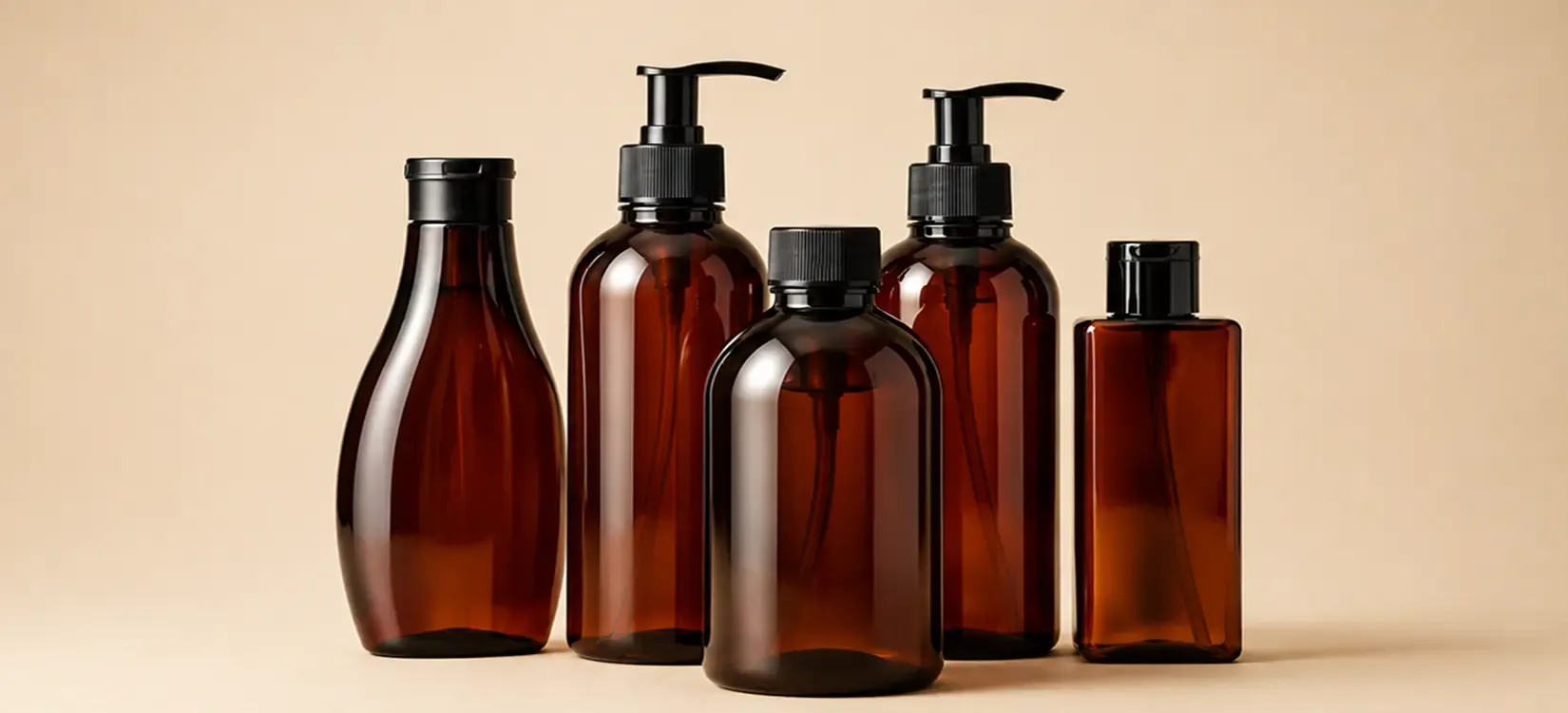
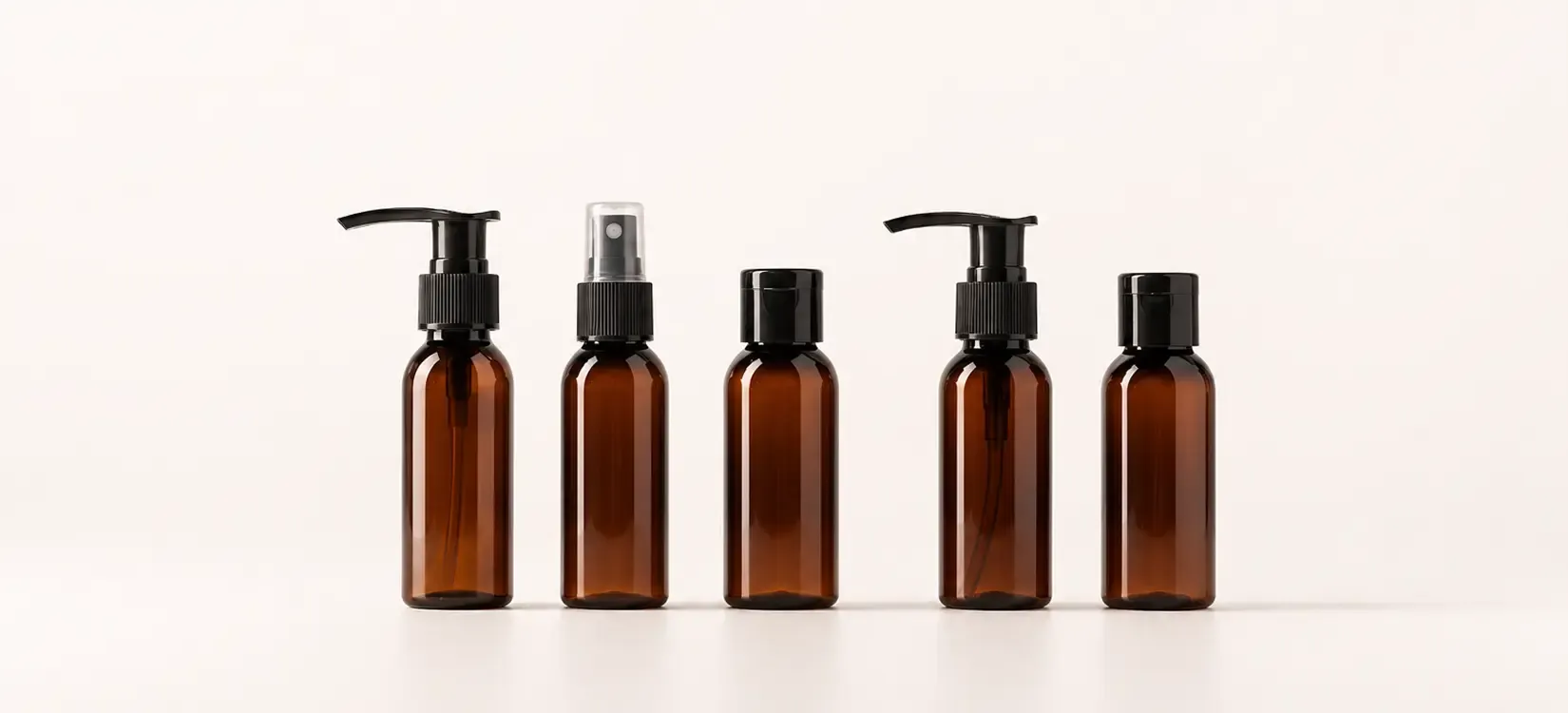
Bottles are one of the most widely used formats in the cosmetic and personal care sector. They offer versatility in shape, size, and material, making them suitable for countless product categories.
Common Applications
- Shampoos and conditioners
- Lotions and body care products
- Serums and oils
- Liquid foundations and primers
Why They’re Effective
Bottles allow for controlled dispensing through pumps, droppers, or flip-top caps. Their structural versatility also makes it easy to convey brand identity through shape, clarity, and custom moulding. PET, HDPE, and glass are the most frequently used materials due to durability and compatibility with different formulations.
2. Jars
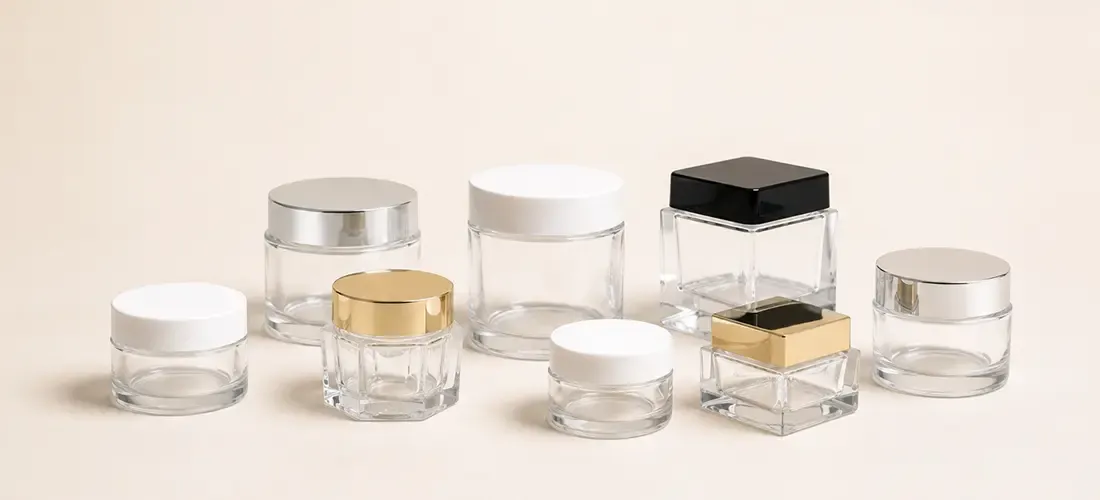
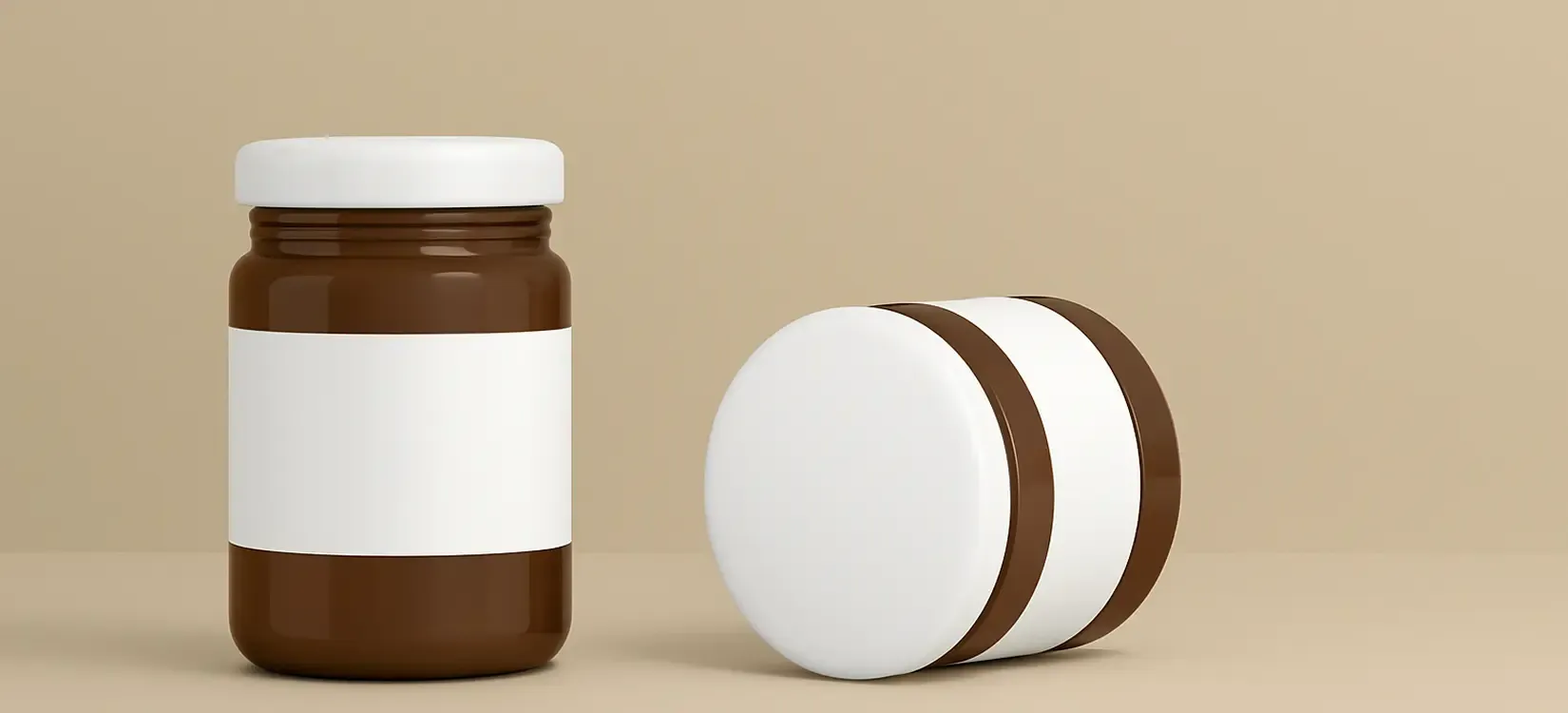
Jars are typically used for products with thicker, richer consistencies. The wide-mouth design offers full product access, making them ideal for formulas that require scooping or spreading.
Common Applications
- Creams and moisturisers
- Masks and scrubs
- Balms and body butters
- Hair styling products
Why They’re Effective
A jar offers visual luxury and ease of use. For premium products, heavy-walled acrylic or glass jars can elevate brand perception. Lightweight plastics, on the other hand, offer a more cost-effective and travel-friendly solution. In many cases, jars also allow for refills, supporting circular packaging initiatives.

3. Tubes
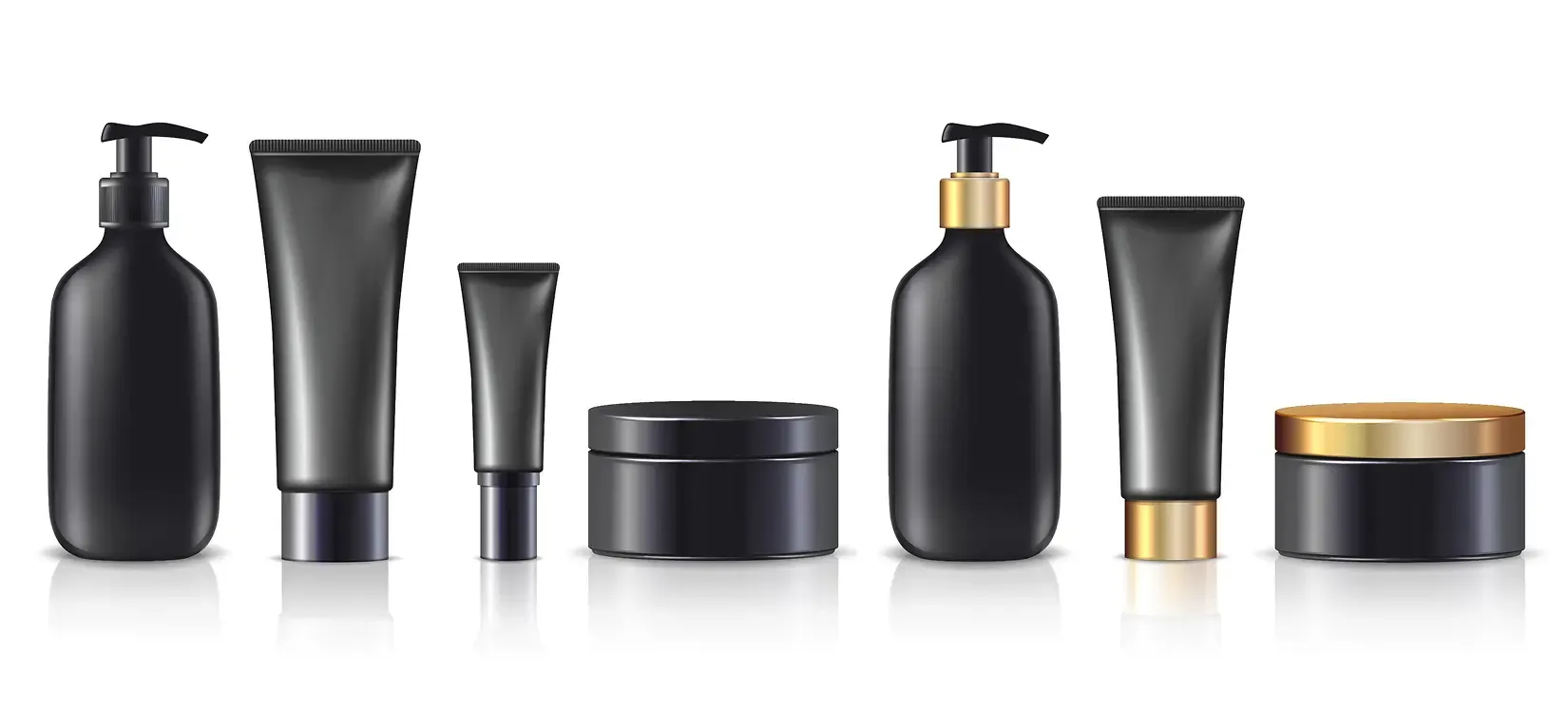
Tubes are a staple in cosmetic packaging thanks to their practicality and affordability. They are ideal for products designed for controlled dispensing and hygienic application.
Common Applications
- Cleansers and face washes
- Sunscreens
- Hand creams
- BB/CC creams
- Hair treatments
Why They’re Effective
Squeezable tubes protect formulations from excessive exposure to air and light, helping preserve product integrity. Brands can choose between plastic laminate tubes, aluminium tubes, and newer eco-friendly formats, depending on positioning and sustainability requirements.
4. Pumps and Dispensers
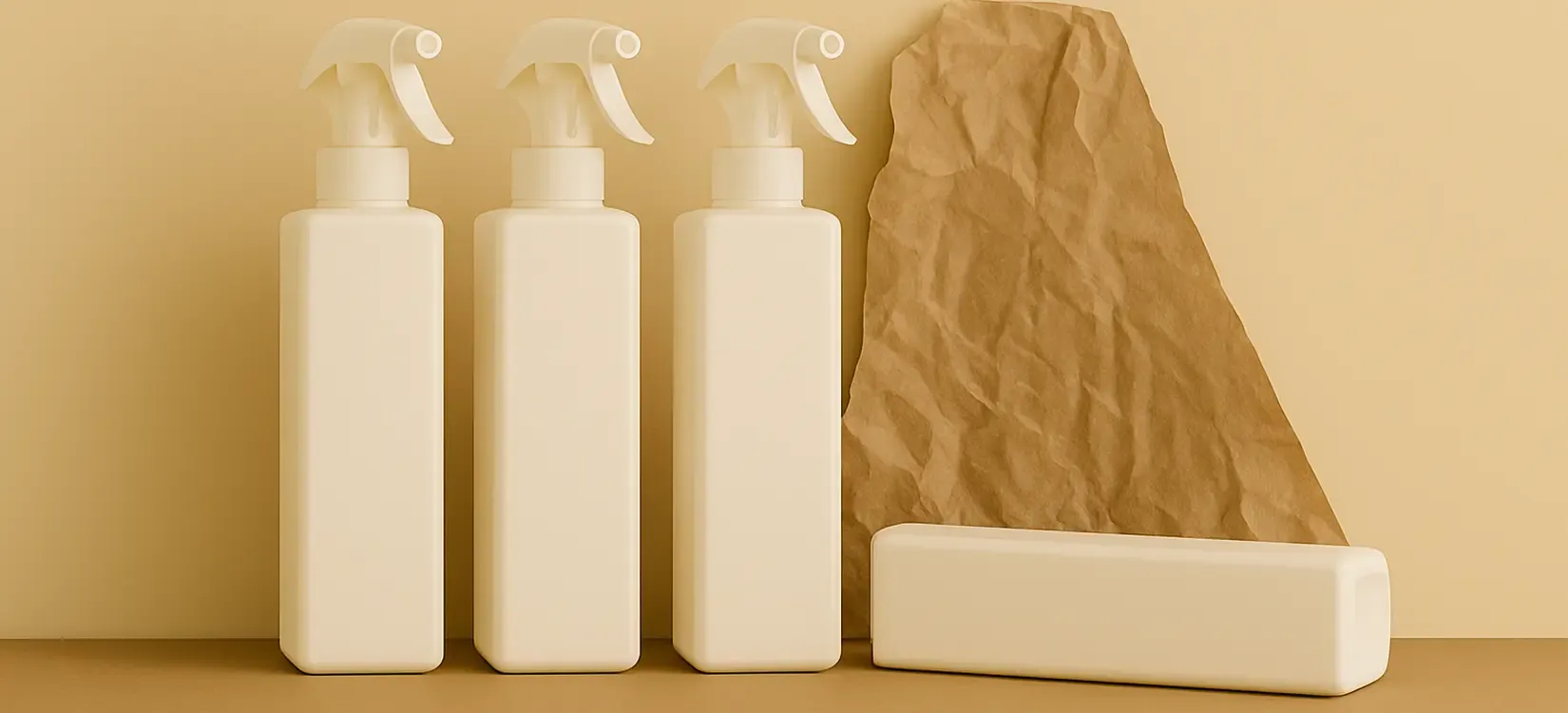
Pumps are essential for products requiring precise dosage. They support controlled dispensing while reducing contamination risks, making them ideal for high-value or sensitive formulations.
Common Applications
- Liquid foundations
- Serums
- Lotions
- Handwash and sanitiser
- Hair oils and leave-in treatments
Why They’re Effective
Pumps offer a premium user experience and support brand positioning through design customisation. Airless pumps, in particular, have grown increasingly popular for their ability to protect active ingredients and increase product shelf life.
5. Airless Packaging
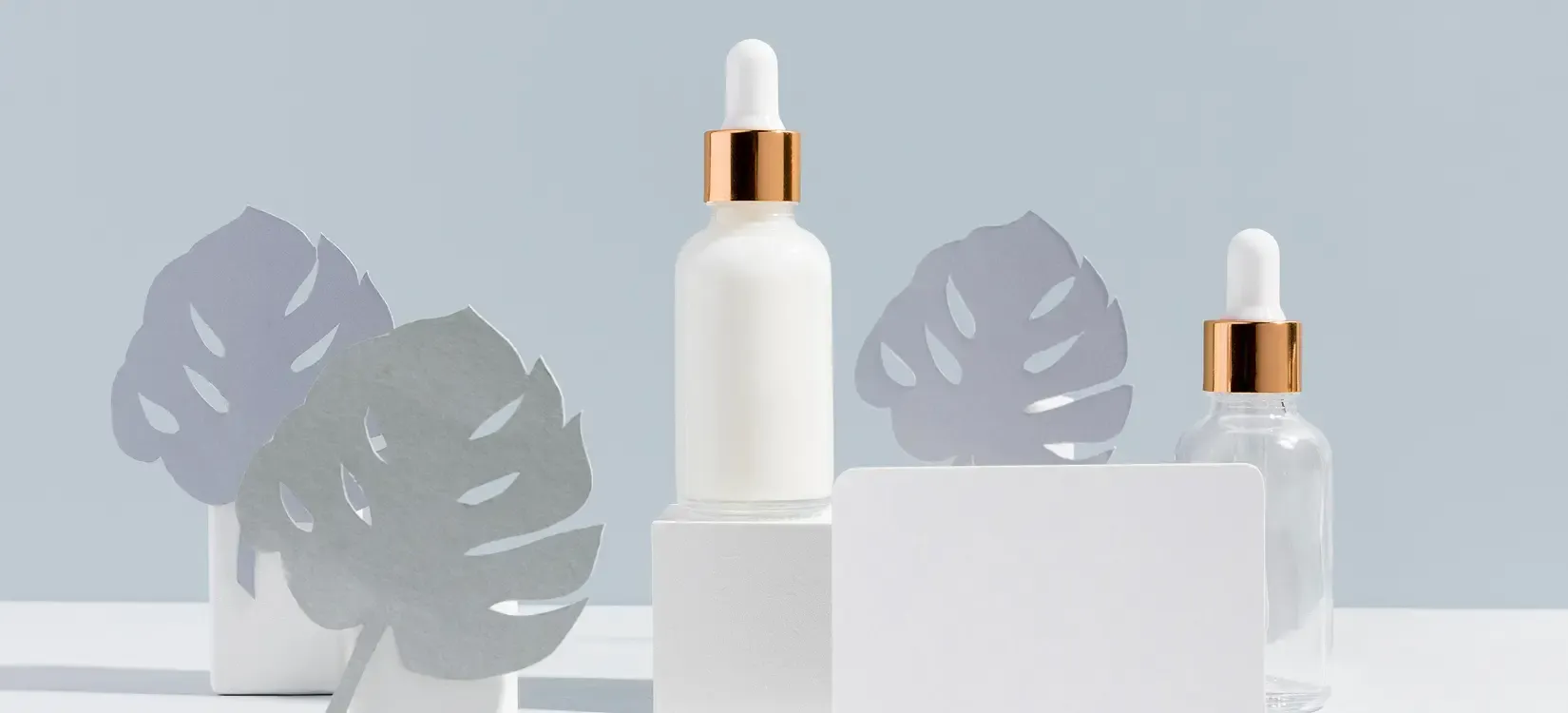
Airless systems are specifically engineered to prevent air from entering the container, preserving the product’s potency. This packaging type ensures near-total evacuation, which is especially beneficial for high-viscosity or expensive formulas.
Common Applications
- Anti-ageing creams
- Vitamin-rich serums
- Medical-grade skin formulations
- Sensitive or preservative-light products
Why They’re Effective
Airless packaging enhances product protection, eliminates the need for dipping, and minimises waste. Its modern, streamlined appearance also aligns well with premium and clinical brands seeking a high-end aesthetic.

6. Compacts and Palettes
Compacts are essential for solid makeup formats, providing both functionality and visual appeal. These packaging types often include mirrors, applicators, or magnetic closures to elevate user experience.
Common Applications
- Pressed powders
- Blush and bronzer
- Eyeshadow palettes
- Highlighters
- Balm foundations
Why They’re Effective
Compacts protect delicate powder formulations and support on-the-go use. Custom shapes, embossing, and finishes allow brands to develop distinctive packaging that reflects their design language and market positioning.
7. Droppers
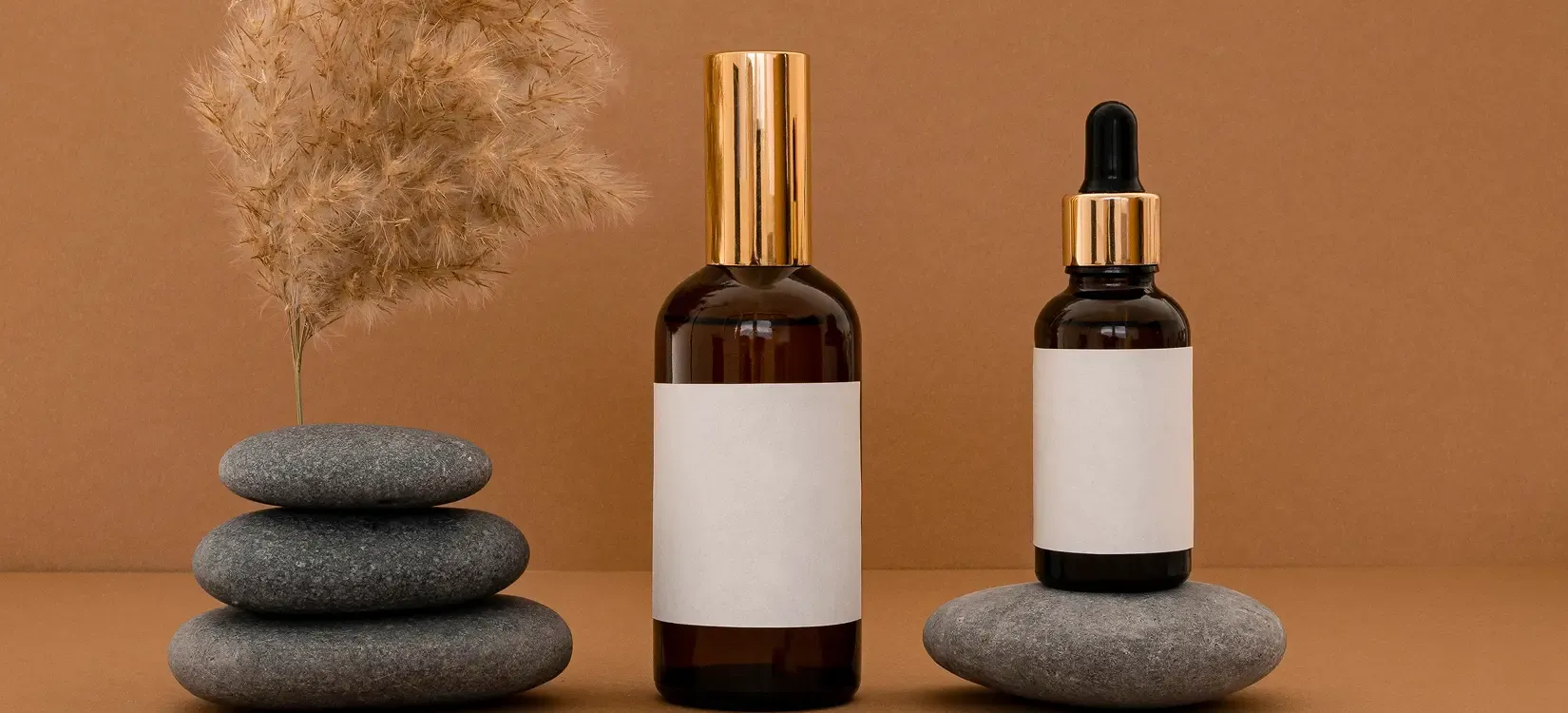
Droppers offer precise dosage for liquid formulations, especially those used in small amounts. They appeal strongly to the skincare category where accuracy and hygiene are critical.
Common Applications
- Facial serums
- Oils
- Liquid actives
- Scalp treatments
- Tinctures
Why They’re Effective
Droppers enhance consumer perception by signalling scientific credibility and control. Glass bottles paired with droppers allow for both premium aesthetics and product visibility, supporting transparency-focused brands.
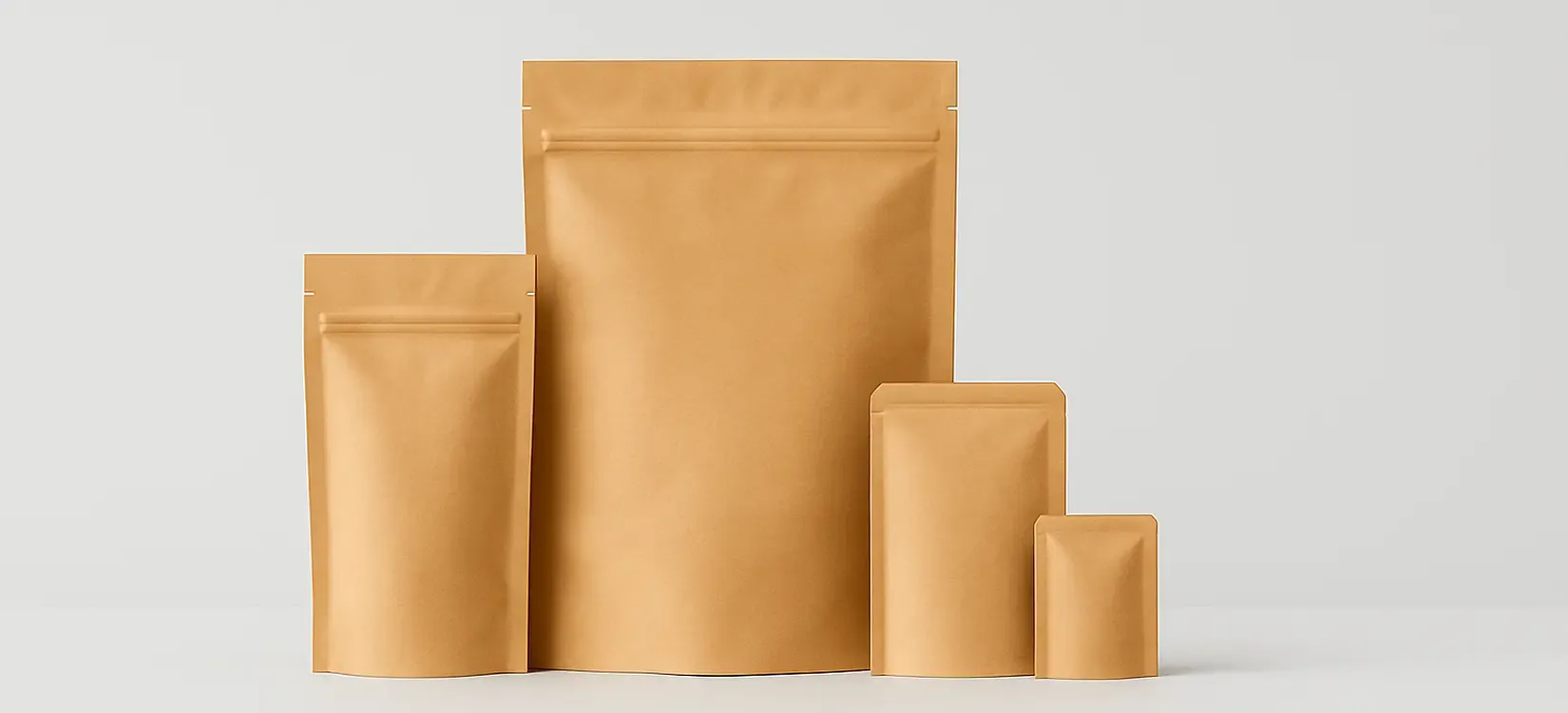
8. Sachets and Sample Packs
Sachets provide a cost-effective solution for sampling or single-use applications. They play an important role in marketing strategies, allowing customers to try products before committing to full-size formats.
Common Applications
- Shampoo and conditioner samples
- Skincare sachets
- Travel-size applications
- Promotional giveaways
Why They’re Effective
Sachets have minimal material usage and low production cost, making them ideal for high-volume distribution. They also allow brands to reach new customers through subscription boxes, retail promotions, and direct mail campaigns.

9. Sticks and Twist-Up Packaging
Stick formats have expanded beyond traditional lip balms and deodorants. The format suits a growing range of waterless and solid products.
Common Applications
- Deodorants
- Solid perfumes
- SPF sticks
- Solid serums
- Makeup balms
Why They’re Effective
Sticks offer mess-free application and portability. As consumer interest in solid and waterless beauty grows, twist-up packaging is becoming a strategic format for sustainability-led brands.
10. Sustainable Packaging Formats
Sustainability is no longer optional—it is a core expectation in beauty packaging. Brands are increasingly exploring materials and designs that reduce environmental impact.
Common Strategies
- Refillable system
- Mono-material packaging
- Recycled PET (rPET)
- Biodegradable and compostable options
- Lightweighting designs
Why They’re Effective
Sustainable choices support both regulatory compliance and consumer trust. Packaging plays a major role in communicating environmental values, making it an essential investment for forward-thinking brands.
Conclusion
For beauty brands navigating product development, understanding cosmetic packaging types is fundamental to creating a strong market presence. Each format, bottles, jars, pumps, tubes, sticks, and more serves a specific purpose and carries its own branding advantages. With the right combination of materials, ergonomics, and design, packaging becomes a powerful extension of the brand narrative.
Casepak supports cosmetic manufacturers at every stage of this process, helping brands make informed decisions that balance creativity, functionality, and sustainability. The right packaging not only elevates a product but positions the brand for long-term success in an increasingly competitive industry.